
On construction sites and at height work platforms, hydraulic lifts are essential equipment, and hydraulic hoses are key to power transmission. The SAE 100R7 fiber braided high-pressure thermoplastic hose has become an ideal choice for hydraulic lifts, agricultural machinery, and various construction equipment due to its lightweight design, high pressure resistance, and excellent abrasion resistance. This article explains why SAE 100R7 hoses play such an important role in construction machinery from the perspectives of construction, advantages, and applications.
SAE 100R7 is a thermoplastic hose standard established by the Society of Automotive Engineers, specifically designed for medium- and high-pressure hydraulic systems. Its inner tube is made of nylon, which provides a very low coefficient of friction and outstanding oil resistance. It can safely convey petroleum-based hydraulic oils, water-based hydraulic fluids, and other media. The smooth inner surface of the nylon tube effectively reduces fluid resistance, while its extremely low permeability makes it especially suitable for applications requiring precise fluid control, such as blowout preventer control lines.
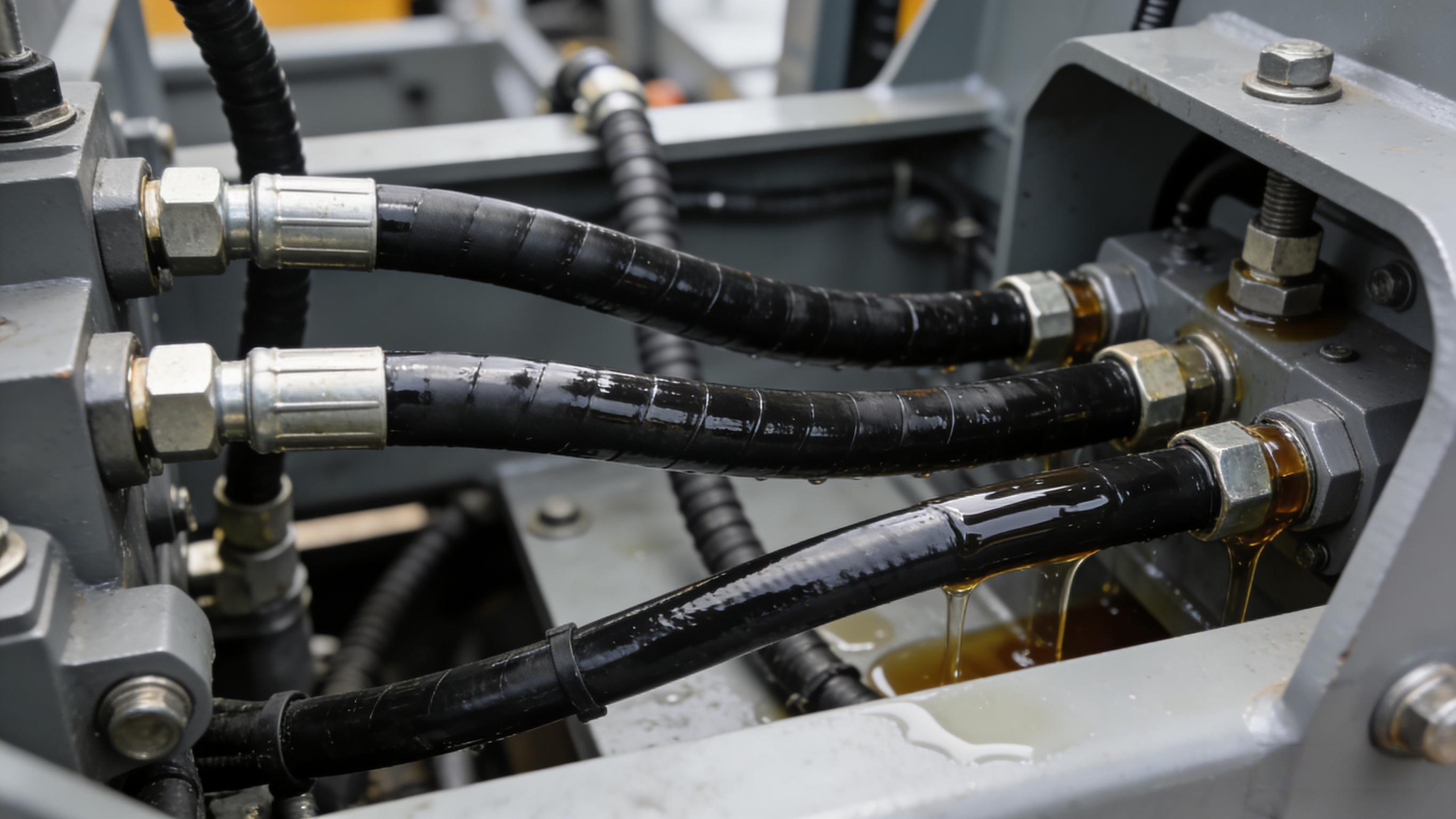
The reinforcement layer consists of one or two layers of high-strength synthetic fiber braid. This fiber braid provides stable pressure support, allowing the hose to withstand relatively high system working pressures, typically ranging from 21 to 28 megapascals depending on the hose size. Compared to traditional wire braid hoses, the fiber braid construction is lighter, more flexible, and offers a smaller bend radius, making it easy to route in the tight spaces of hydraulic lifts.
The cover layer is made of polyurethane, which is a standout feature of SAE 100R7 hoses. Polyurethane provides excellent abrasion resistance, weather resistance, and hydrolysis resistance. It can withstand UV radiation, ozone, oil spills, and the mechanical scratches and stone abrasion commonly found on construction sites. On a building site, hoses often come into contact with concrete, sharp metal edges, and gravel. Ordinary rubber covers wear through quickly, but a polyurethane cover significantly extends the service life of the hose.
Regarding temperature performance, SAE 100R7 hoses operate over a range of -40°C to +100°C. Whether in the severe cold of northern winters or the high heat generated by long hours of lift operation, the hose maintains stable mechanical properties without becoming brittle or soft.
These structural features give SAE 100R7 hoses a series of core advantages. The first is light weight and flexibility. Compared to wire-reinforced hoses, SAE 100R7 hoses are noticeably lighter and have a smaller bend radius, which greatly benefits the extending and retracting motions of hydraulic lift booms. The second advantage is high pressure and impulse resistance. The synthetic fiber braid withstands frequent pressure surges in hydraulic systems without fatigue damage. Third, the hose has broad media compatibility. The nylon inner tube resists not only petroleum-based oils but also water-based hydraulic fluids and emulsions, meeting the demand for environmentally friendly media in modern construction machinery. Fourth, very low permeability makes SAE 100R7 ideal for blowout preventer control lines, ensuring reliable hydraulic control. Fifth, abrasion and weather resistance from the polyurethane cover keep the hose durable in harsh environments.
In practical applications, SAE 100R7 hoses are widely used in the main pressure lines and return lines of hydraulic lifts, including scissor lifts, truck-mounted aerial work platforms, and mast lifts. In construction machinery, they are often used in hydraulic auxiliary lines for excavators and loaders, such as control lines for hydraulic breakers or grapples. In agricultural machinery, the hydraulic systems of tractors and harvesters also frequently use this type of hose. Additionally, SAE 100R7 hoses can serve as delivery lines in centralized lubrication systems, accurately conveying lubricating oil to each lubrication point, or as blowout preventer control lines in oil drilling.
When selecting an SAE 100R7 hose, several points should be kept in mind. First, confirm that the maximum system working pressure does not exceed the hose's rated working pressure, as different sizes have different pressure ratings. Second, during installation, the bend radius must not be less than the hose's specified minimum bend radius; otherwise, the reinforcement may be damaged or the inner tube may kink. Third, verify compatibility between the fluid medium and the nylon inner tube. Phosphate ester hydraulic fluids are not suitable for SAE 100R7; for those, SAE 100R8 or other types should be used. Fourth, it is recommended to use the original equipment manufacturer's crimped fittings to ensure reliable sealing. Fifth, keep the hose away from high-temperature sources such as engine exhaust pipes, as polyurethane can soften in environments above 100°C.
For routine maintenance, regularly inspect the cover layer for cuts, blisters, or severe wear, and check fittings for leaks. For locations in construction machinery that are prone to impacts from stones and metal edges, add spiral guards or rubber spring protectors for extra protection. Under normal operating conditions, the service life of an SAE 100R7 hose typically ranges from three to five years.
In summary, the SAE 100R7 fiber braided high-pressure thermoplastic hose, with its combination of a nylon inner tube, fiber reinforcement, and polyurethane cover, achieves an excellent balance between light weight, pressure resistance, and abrasion resistance. For hydraulic lifts, construction machinery, and agricultural equipment, it is an ideal upgrade over traditional wire-reinforced hoses. Proper selection and maintenance significantly improve equipment uptime and reduce total life cycle costs.
