API 17K Deep-Sea Flexible Hoses: The Flexible Lifeline Leading Deep-Sea Oil and Gas Transportation
2025-11-15 15:26:38
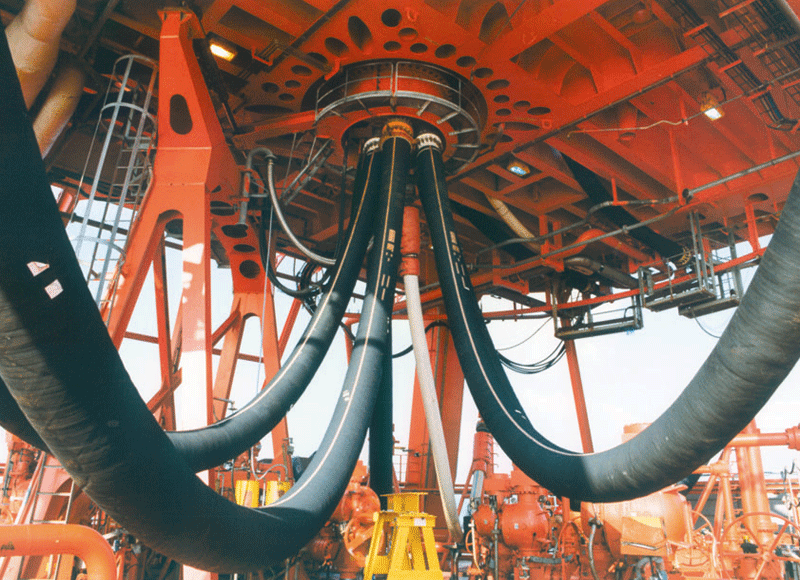
In the journey to explore the treasures of the blue ocean, deep-sea oil and gas transportation technology is facing unprecedented challenges. Traditional steel pipes reveal their shortcomings in the harsh deep-sea environment: bulkiness, susceptibility to corrosion, and installation difficulties. API 17K jumper hoses, as a revolutionary solution, are becoming an indispensable "flexible lifeline" connecting subsea wellheads and production facilities due to their superior performance. This article will delve into its international standards, precision structure, and authoritative certifications, revealing why it has become the darling of deep-sea engineering.
I. API 17K Standard: A Passport to High-Pressure Deep-Sea Environments
API 17K is an internationally authoritative standard established by the American Petroleum Institute, specifically for the design and manufacture of deep-sea flexible hoses. It is not just an ordinary industrial specification, but a set of survival rules for extreme subsea conditions. The core requirement of this standard is that the hose must be able to operate stably under the following harsh conditions:
- Extreme Pressure: Able to withstand combined pressures up to 600 MPa, ensuring safety under hydrostatic pressure and internal transport pressure at depths of thousands of meters.
-
- Long-lasting Durability: Designed for a lifespan of decades, significantly reducing the enormous operating costs associated with frequent maintenance and replacements.
-
- Superior Corrosion Resistance: Overall corrosion resistance far surpasses that of traditional steel pipes, effectively resisting the erosion of media such as seawater and hydrogen sulfide.
II. Meticulously Crafted Structure: A Technological Fortress Built Layer by Layer
The superior performance of the API 17K hose stems from its multi-layered composite structure design, reminiscent of aerospace engineering. Each layer plays a crucial role:
1. Inner Liner: A Robust Corrosion-Resistant Barrier
Directly in contact with oil and gas media, this layer typically uses top-tier polymers such as PTFE (Polytetrafluoroethylene) or UPE (Ultra-High Molecular Weight Polyethylene), with a thickness of up to 4.0mm. This layer provides excellent chemical inertness, ensuring the purity of the transported medium while effectively preventing internal corrosion.
2. Reinforcing Layer: The Core Skeleton Against High Pressure
This is the source of the hose's strength. By combining high-strength, ultra-flexible copper-plated steel wire with a polyester fiber braided layer and embedding it within synthetic rubber, a pressure-bearing structure that is both tough and flexible is formed. This gives the hose the ability to withstand extreme pressure and dynamic loads, making it key to achieving a balance of rigidity and flexibility.
3. Outer Protective Layer: Robust Armor Against the Deep Sea
The outermost layer is wrapped in wear-resistant and weather-resistant synthetic rubber and features stainless steel armor. This "armor" effectively protects against scratches from seabed rocks, impacts from fishing nets, and UV aging, providing comprehensive physical protection for the hose's internal structure.
4. Wide Temperature Adaptability
It possesses a wide operating temperature range of -30℃ to 100℃, enabling it to operate stably from the frigid deep-sea environment to scenarios involving the transport of high-temperature fluids.
III. Authoritative Certification: The Cornerstone of Quality and Confidence
In the extremely risky deep-sea field, API 17K certification is a mandatory "passport" for hose products to access the deep-sea market. This signifies that a company has reached the international top level in R&D, production, testing, and quality control systems.
It is worth noting that domestic companies such as **Litong Technology** have successfully overcome this technological barrier, becoming one of the few companies simultaneously holding API 7K, 16C, and 17K triple certifications. This not only proves that its products can meet the extreme requirements of deep-sea transportation but also demonstrates its comprehensive strength and leading position in the global oil drilling and production equipment field.
IV. Core Advantages: Why Choose API 17K Hoses?
In summary, compared to traditional steel pipes, the core advantages of API 17K hoses are obvious:
- Lightweight: Significantly reduces weight, decreasing the load on installation vessels and operational difficulty, effectively saving operating costs.
- High Flexibility: Excellent bending performance allows it to easily adapt to complex seabed terrain and dynamic movements, making installation more convenient.
-
- Long Lifespan and High Corrosion Resistance: The overall corrosion-resistant design results in a longer service life and lower total life cycle cost.
-
- Exceptional Overall Performance: Combining high pressure resistance, extreme temperature resistance, and fatigue resistance, it boasts extremely high reliability.
Conclusion
As offshore oil and gas exploration continues to venture into deeper and more distant waters, the API 17K deep-sea hose, with its advanced technology and environmental adaptability, has become an indispensable key piece of equipment in modern marine engineering. It is not only a symbol of technological progress but also a crucial guarantee for the safe and efficient development of marine resources, leading deep-sea oil and gas transportation technology into a new future.


Leave A Comment