
In the high-load operational fields of construction machinery and coal mining, the stability of hydraulic systems directly determines equipment efficiency and operational safety. High-pressure steel wire spiral hose assemblies, as the core connecting components for hydraulic power transmission, are emerging as key cross-scenario supporting solutions due to their excellent pressure-bearing capacity and weather resistance. This article analyzes the technical characteristics and supporting applications of this product.
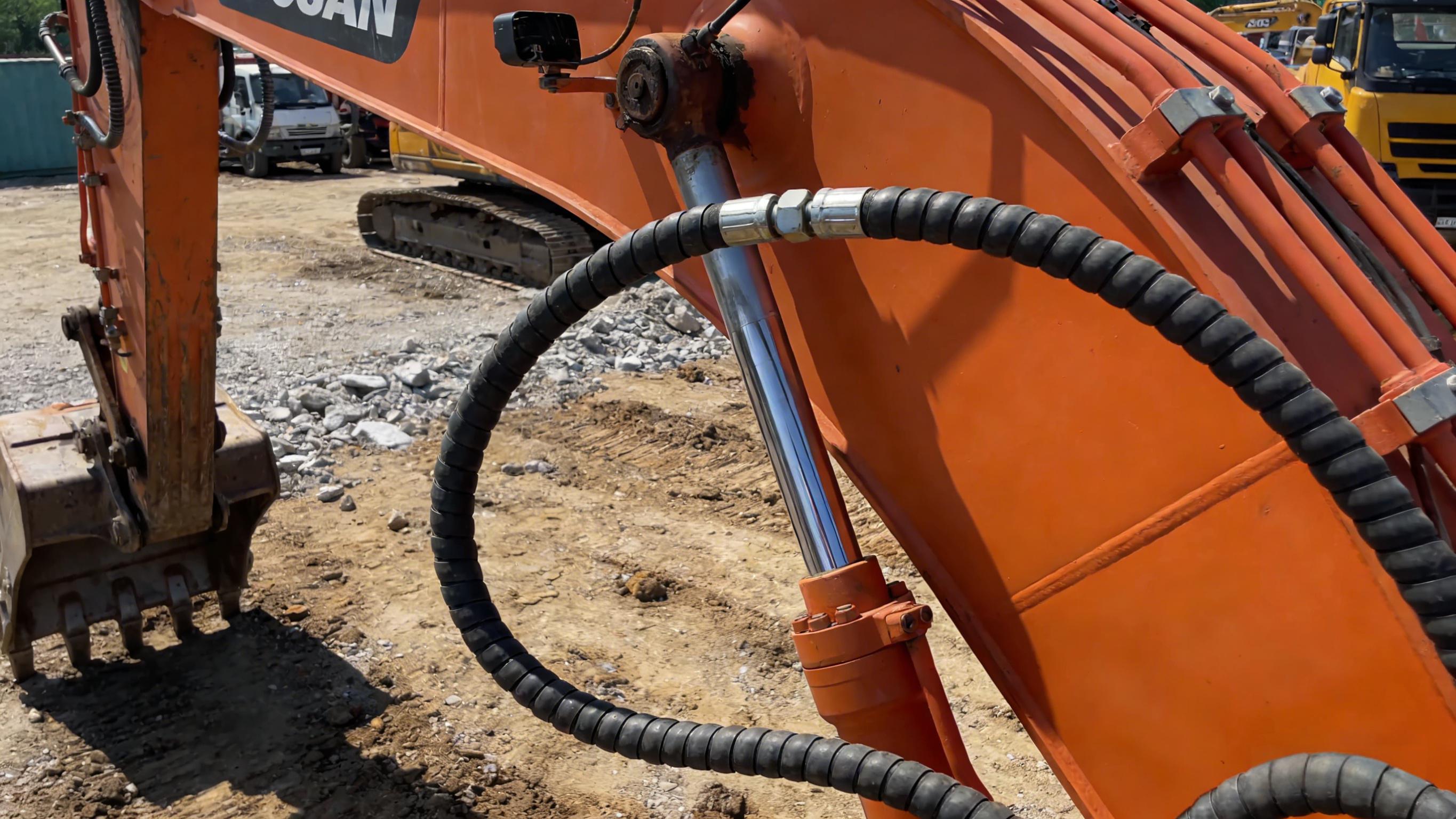
High-pressure steel wire spiral hose assemblies mainly consist of a fluid-resistant synthetic rubber inner layer, an intermediate rubber layer, multiple layers (2, 4, or 6 layers) of high-tensile steel wire spiral reinforcement, and a weather-resistant outer rubber cover. The inner layer bears the medium pressure and protects the steel wire skeleton from corrosion, while the outer cover protects the reinforcement layer from mechanical damage. The steel wire spiral layers serve as the skeleton material, providing critical pressure reinforcement.
In terms of technical standards, these products are manufactured in accordance with GB/T10544, SAE 100R9~R13, DIN20023, and other domestic and international standards. Taking the SAE 100R13 four-layer steel wire spiral hose as an example, its maximum working pressure can reach 35MPa, with a minimum burst pressure of 140MPa and an operating temperature range of -40°C to +121°C, easily handling demanding high-temperature and high-pressure working environments. Six-layer steel wire spiral structures further elevate working pressure to over 50MPa for ultra-high-pressure applications.
In the construction machinery sector, equipment such as excavators, hoisting and transport equipment, concrete pumps, and metallurgical forging machinery all rely on high-pressure hydraulic systems to perform heavy-load operations. High-pressure steel wire spiral hose assemblies in these scenarios transport petroleum-based media such as mineral oil, hydraulic oil, and lubricating oil, as well as water-based emulsions. Their excellent flexural and fatigue resistance enables them to adapt to frequent joint movements and continuous pulse pressure impacts common in construction machinery.
For construction machinery, hose assembly supporting solutions must focus on fitting compatibility and bending radius limitations. The standard steel fittings, crimped by specialized equipment, provide reliable connections and excellent sealing, compatible with ISO, DIN, SAE, and other standard interfaces. Additionally, users must ensure that the bending radius does not fall below the specified value during installation to prevent damage to the hose skeleton layer from excessive extension.
The underground coal mining environment imposes extremely high requirements on hydraulic pipelines regarding fire resistance, anti-static properties, and corrosion resistance. High-pressure steel wire spiral hose assemblies are widely used in mine hydraulic supports, pump station systems, shearers, and underground conveying equipment. Particularly, mining-specific ultra-high-pressure steel wire spiral hoses and assemblies, combined with fittings such as straight-through connectors, tees, U-clips, O-rings, ball valves, and elbows, form a complete underground hydraulic support fluid supply system.
In actual use, coal mining scenarios demand higher pulse performance from hose assemblies. Advanced products optimize the steel wire spiral layer structure—using high-strength coarse steel wire on the inner layer to concentrate pressure-bearing capacity and fine flexible steel wire on the outer layer to facilitate bending—boosting pulse performance to over 1.2 times the national standard requirement, increasing flexural resistance by 30%, and reducing bending radius by 30%.
For cross-scenario requirements spanning construction machinery and coal mining equipment, supporting solutions should consider the following dimensions:
Standardized Selection: Prioritize products compliant with SAE 100R12/R13 or GB/T10544 standards to ensure interchangeability across different equipment.
Pressure Grade Matching: Select appropriate steel wire layers (2, 4, or 6 layers) based on system working pressure, reserving sufficient safety margins.
Interface Unification: Supporting steel fittings should be compatible with mainstream interface standards to reduce adapter requirements and leak risks.
Environmental Adaptability: For high-humidity underground coal mine environments, the outer cover should offer excellent weather and abrasion resistance; for outdoor construction machinery operations, ozone and aging resistance are critical.
In summary, high-pressure steel wire spiral hose assemblies, with their comprehensive advantages of high pressure resistance, pulse durability, and fatigue resistance, have become the ideal supporting choice connecting hydraulic systems in both construction machinery and coal mining equipment. Through scientific selection and proper installation, these products effectively enhance hydraulic system reliability and service life.
