
In the demanding environments of heavy industry, particularly in underground mining and construction, the reliability of hydraulic systems is non-negotiable. The EN857 Steel Wire Braided Hydraulic Hose represents the pinnacle of engineering for compact, high-pressure applications. This article explores the technical specifications of this hose and explains why MSHA approval is a critical requirement for mining operations.
Product Overview and Construction
Designed for versatility and durability, the EN857 wire braided hose is specifically engineered to handle a wide range of hydraulic fluids, including water-based, petroleum-based, and environmentally sensitive biodegradable oils. Its robust construction consists of three distinct layers:
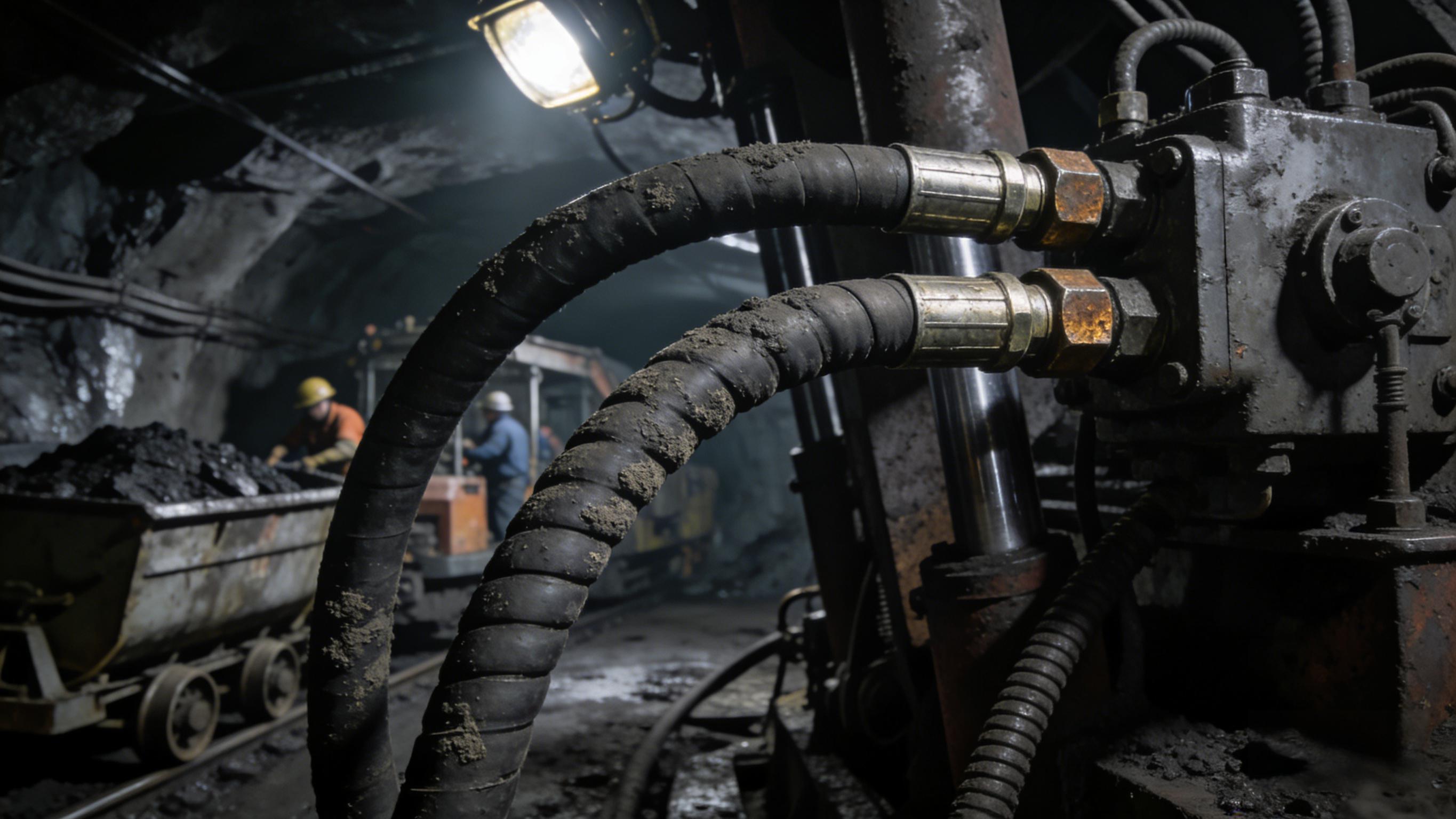
Inner Tube: Made from black oil-resistant synthetic rubber, this layer ensures chemical compatibility and prevents fluid contamination, guaranteeing a long service life even with aggressive hydraulic fluids.
Reinforcement: One or two layers of high-tensile steel wire braiding provide the backbone of the hose. This "compact" braiding design, as specified by the EN857 standard, offers superior strength and flexibility while maintaining a tighter bend radius compared to standard hoses—a crucial feature for machinery with confined hydraulic layouts.
Outer Cover: The cover is crafted from black synthetic rubber that is resistant to oil, abrasion, and harsh weather conditions. It protects the critical wire reinforcement from damage caused by rocks, debris, and constant flexing.
The Critical Role of MSHA Certification
While the EN857 standard guarantees performance in terms of pressure and flexibility, MSHA certification addresses safety in volatile atmospheres. The Mine Safety and Health Administration (MSHA) approval is mandatory for equipment used in underground coal mines in many regions, and it focuses on two key safety features:
Fire Resistance: MSHA-approved covers are subjected to rigorous flame tests. The material must be self-extinguishing once the flame source is removed, preventing the hose from acting as a conduit for fire in an emergency.
Electrical Conductivity: Static electricity buildup is a major ignition hazard in mines. Hoses with MSHA approval are designed to be conductive, safely channeling any static charge to the ground and eliminating the risk of sparks that could ignite methane gas or coal dust.
Operational Excellence in Extreme Conditions
The EN857 hose is built to perform where temperatures fluctuate drastically. With a wide operating temperature range of -40°F to +212°F (-40°C to +100°C) , it maintains its flexibility in freezing conditions and its structural integrity under high heat generated by continuous-duty hydraulic pumps. This makes it ideal for mobile equipment like roof bolters, shuttle cars, and continuous miners.
Conclusion
When selecting a hydraulic hose for underground or heavy industrial use, look beyond the basic specifications. The combination of the EN857 compact design and MSHA safety certification ensures that you are getting a product that is not only efficient and easy to install but also compliant with the highest safety standards. Investing in certified hoses protects your personnel, your equipment, and your bottom line.

Leave A Comment