
Underground in a coal mine, hydraulic supports are the core equipment that upholds the working face and ensures safe production. The hydraulic hoses that connect the components of these supports and transmit power are like the "blood vessels" of the system. Their stability and reliability directly impact the operational safety of the entire coal mining machinery. Choosing a substandard or non-compliant hose can lead to minor leaks, costly downtime, or even serious safety accidents.
So, faced with numerous products on the market, how do you select a truly compliant, safe, and durable hydraulic hose for coal mine hydraulic supports? The key lies in understanding and strictly adhering to the industry standard, MT/T98 (commonly referred to as MT98) . This article will detail the four core points to consider when selecting an MT98 compliant wire braided rubber hydraulic hose.
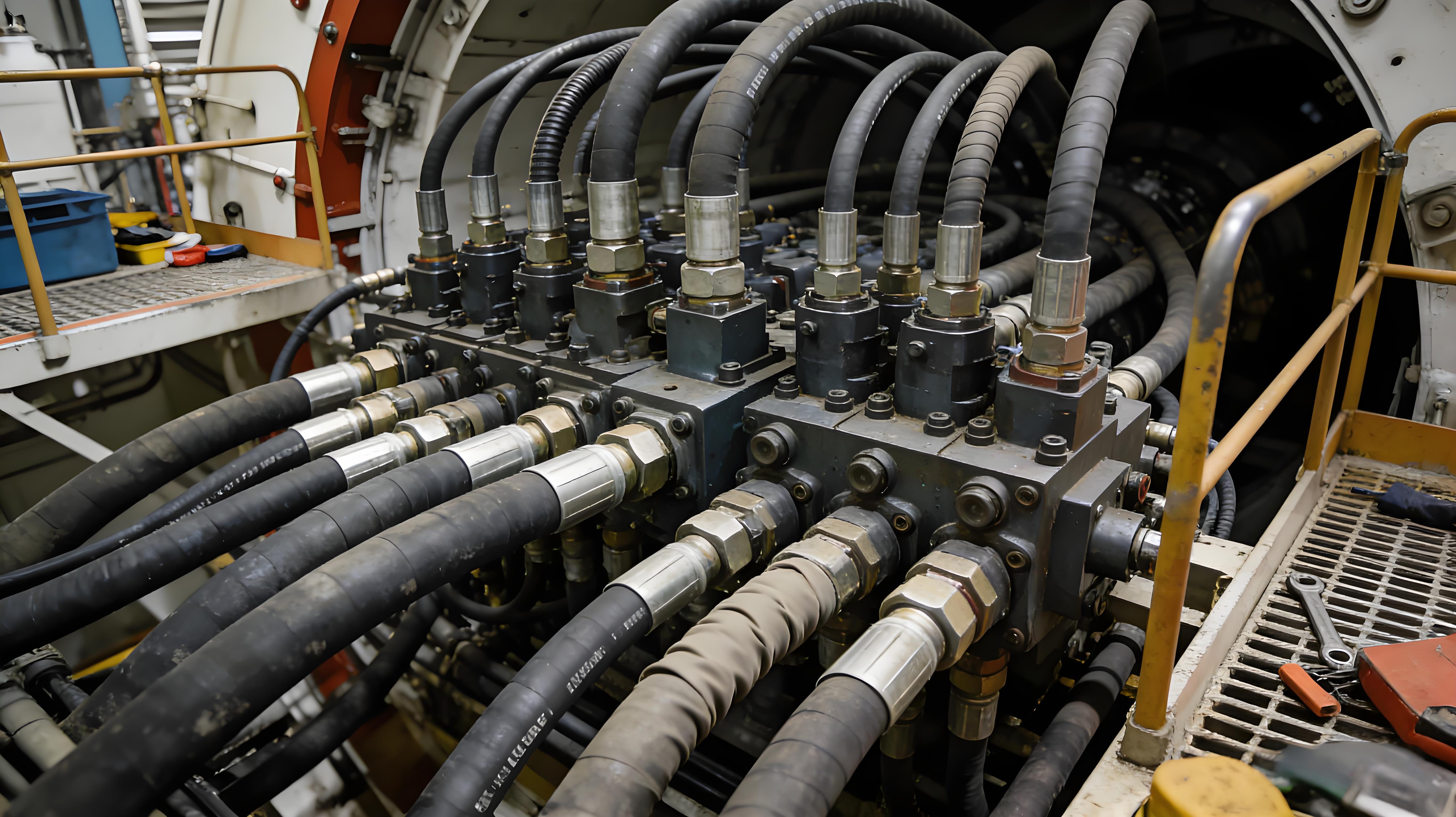
MT/T98 is China's mandatory (or primary reference) coal industry standard for "Mine Wire Braided Rubber Hydraulic Hoses." It clearly defines the performance requirements for hoses in the special underground environment of coal mines, including but not limited to:
Flame Resistance & Anti-static: Coal mines contain flammable gases like methane. Hoses must be flame resistant and must not generate static electricity during friction or fluid flow. Hoses meeting the MT98 standard have outer covers formulated with special compounds and pass rigorous flame resistance and electrical conductivity tests. This is the "first line of defense" for underground safety.
Fluid Compatibility: Hydraulic systems commonly use mineral oil, water-based hydraulic fluids (like emulsions), or water as the medium. The MT98 standard specifies requirements for the inner tube's resistance to swelling and corrosion, ensuring the hose does not fail after long-term contact with these media.
Pressure & Impulse Performance: During the lifting, lowering, and advancing of hydraulic supports, system pressure fluctuates dramatically. The standard specifies minimum burst pressure and impulse test requirements, ensuring the hose does not leak or blister after millions of pressure cycles.
Selection Tip: When purchasing, always verify that the product has a type test report issued by an authoritative body confirming compliance with MT98. Also, check if the "MT98" marking is clearly printed on the hose's layline. This is the most basic and crucial step.
A compliant MT98 mining hose consists of three parts working in concert. A weakness in any one layer compromises the whole.
Inner Tube: Black Oil-Resistant Synthetic Rubber
Function: Directly contacts and conveys the hydraulic fluid. The high water-content hydraulic fluids (emulsions) widely used in coal mine systems can be corrosive to ordinary rubber. The MT98 standard requires the inner tube compound to have excellent resistance to oil and water-based fluids, preventing swelling, softening, or flaking that could clog the system.
Selection Points: Look for a smooth, dense inner surface free from bubbles or impurities. A high-quality inner tube reduces flow resistance and prevents fluid penetration that could corrode the reinforcement layer.
Reinforcement Layer: Braided High-Strength, Super-Flexible Steel Wire
Function: This is the "skeleton" of the hose, determining its pressure capacity. Depending on the pressure rating, MT98 hoses use one, two, or three layers of braided high-strength steel wire. The wire material, braiding angle, and density directly impact the hose's burst strength and flexibility.
Selection Points: "High-strength and super-flexible" is key. A high-quality wire braid provides sufficient strength while offering excellent flexibility for routing hoses in the confined spaces of a hydraulic support and absorbing system pressure shocks. Check that the braid is uniform, tight, and free from broken or misaligned wires.
Cover: Black Oil-Resistant, Weather-Resistant, Abrasion-Resistant Synthetic Rubber
Function: Protects the reinforcement layer from mechanical damage and environmental attack. Underground environments are humid, dusty, and abrasive. The cover compound must be abrasion-resistant, weather-resistant (anti-aging, hydrolysis-resistant) , and also possess flame-resistant and anti-static properties as required by the MT98 standard.
Selection Points: Feel the cover – a high-quality cover should be resilient, not tacky. Try lightly scratching it with a fingernail; it should resist marking. Also, check the clarity and integrity of the printed markings on the hose surface.
The MT98 standard specifies a working temperature range of -40°C to +100°C, covering seasonal conditions in most Chinese mines. However, consider these points:
Low-Temperature Environments: For mines in northern regions with very cold winters or low underground temperatures, ensure the hose maintains flexibility at -40°C without becoming brittle.
Fluid Compatibility: Confirm the exact fluid used in your system. For standard 5% emulsions or concentrates, a standard MT98 hose is typically suitable. If the fluid contains special additives, consult the supplier to confirm inner tube compound compatibility.
The connection point between the hose and the fitting is often the weakest link in a hydraulic system. The MT98 standard has requirements for the crimping dimensions and sealing performance of the hose assembly.
Selection Tip: Whenever possible, purchase hose assemblies from the original manufacturer or a specialized fabricator, rather than buying bulk hose and crimping fittings yourself. High-quality crimping ensures the fitting will not pull out or leak under high pressure. Ensure the fitting type matches the interfaces on your hydraulic support valves for a reliable connection.
Conclusion:
Choosing an MT98-compliant specialized hose for coal mine hydraulic supports is a critical decision affecting both production safety and efficiency. Remember the key points: "Certification is the foundation, inspect the three-layer construction, match specifications to your operating conditions, and ensure assembly integrity." By sourcing reputable products from reliable suppliers, you build a safe and efficient hydraulic transmission lifeline for your longwall mining operation.

Leave A Comment