
The hydraulic system of an excavator functions like the circulatory system of the human body, with hydraulic hoses serving as the “blood vessels” that transmit energy. Choosing the wrong hose can lead to frequent oil leaks, reduced efficiency, or even burst accidents and safety incidents. Faced with three mainstream structures—single braid, double braid, and four spiral—many users are unsure how to choose. This article provides a detailed analysis of excavator hydraulic hose selection from three dimensions: structural characteristics, pressure ratings, and application scenarios.
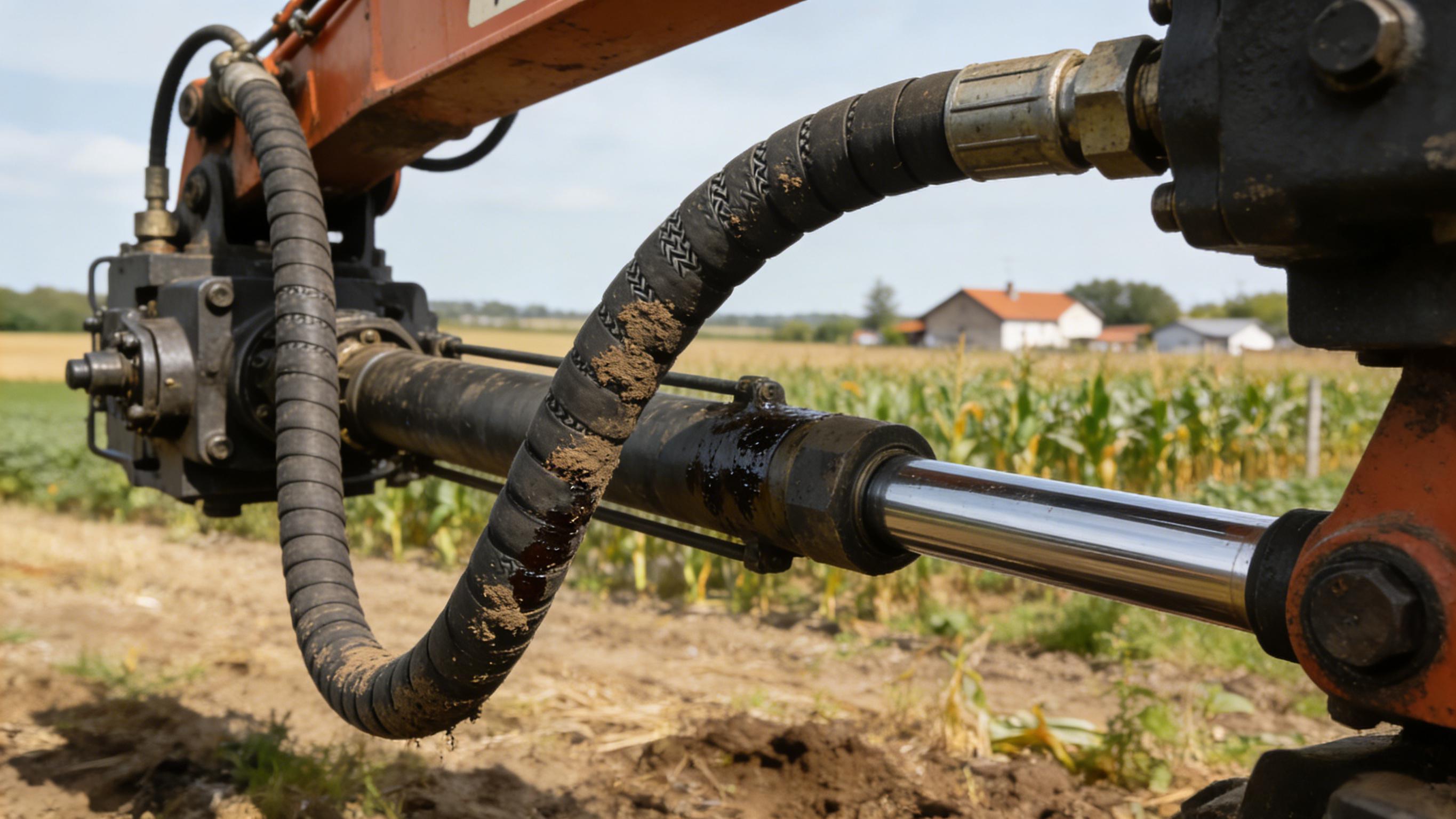
Single Wire Braid Hose: The Economical Choice for Small Excavators
Single wire braid hoses correspond to the SAE 100R1 standard, with a reinforcement layer consisting of a single layer of high-strength steel wire cross-braided. This structure features good flexibility, a small bend radius, and light weight, but its pressure capacity is relatively limited, with working pressure typically ranging from 16 to 25 megapascals. In excavators, single braid hoses are primarily used for return lines, drain lines, and low-pressure pilot control systems. For small excavators, such as those under six tons, single braid hoses are sufficient for return line applications. However, it is critically important to note that single braid hoses should never be used in an excavator’s main pressure lines, including the supply and return lines for boom, arm, and bucket cylinders, because the pressure peaks in these locations far exceed the hose’s rating, creating a high risk of burst failure.
Double Wire Braid Hose: The Standard Choice for Small to Medium Excavator Main Lines
Double wire braid hoses correspond to the SAE 100R2 standard, with a reinforcement layer consisting of two layers of high-strength steel wire cross-braided with an intermediate rubber layer to prevent friction between the layers. The working pressure typically ranges from 25 to 35 megapascals, with burst pressure approximately four times the working pressure. This is the most widely used hose type on excavators, suitable for main pressure lines on excavators up to 20 tons, including the supply and return lines for boom cylinders, arm cylinders, and bucket cylinders. Double braid hoses offer an excellent balance between flexibility and pressure capacity, with a moderate bend radius that facilitates routing in the tight spaces of an excavator’s turntable and boom pivot points, making them the standard configuration for most small and medium excavator hydraulic systems.
Four Spiral Wire Hose: The Dedicated Solution for Medium-Large Excavators and Ultra-High Pressure Conditions
Four spiral wire hoses correspond to the SAE 100R12 or EN856 4SP standard, with a reinforcement layer consisting of four layers of high-strength steel wire spirally wound at alternating angles. The key distinction between spiral and braid construction is this: braid uses cross-weaving with intersecting wires, offering better flexibility but a lower pressure ceiling; spiral uses same-direction or alternating helical winding without wire intersections, enabling higher pressure resistance and superior impulse tolerance. Four spiral hoses typically achieve working pressures of 35 to 42 megapascals, with burst pressure at least four times the working pressure. In excavator applications, four spiral hoses are mainly used on the main pressure lines of medium to large excavators of 20 tons and above, especially at boom roots, arm ends, and other locations subject to the highest pressure peaks and most severe impulses. For ultra-large excavators of 50 tons and above or heavy-duty equipment operating in rock excavation conditions, six-spiral hoses meeting SAE 100R13 or SAE 100R15 standards may be required, with working pressures exceeding 42 megapascals and impulse lives exceeding one million cycles.
Summary of Applicable Locations by Type
Arranged from lowest to highest pressure rating, return lines and pilot control lines should use single braid hoses, as these locations operate at lower pressures and have higher flexibility requirements. The main pressure lines of excavators under 20 tons—specifically the supply and return lines for boom, arm, and bucket cylinders—should use double braid hoses, which represent the most mainstream configuration. For main pressure lines on excavators of 20 tons and above, particularly at boom roots, arm ends, and other high-impulse locations, four spiral hoses are mandatory. For ultra-large excavators of 50 tons and above or extreme high-pressure conditions, six-spiral hoses should be selected.
Other Key Considerations in Selection
Beyond the reinforcement type, several additional points require attention during selection. First, fitting types must be compatible with the hose—braid and spiral hoses use different fittings and are not interchangeable; using mismatched fittings leads to poor crimping, leakage, or pull-off. Second, bend radius deserves special attention—four spiral hoses typically have a minimum bend radius 20 to 30 percent larger than same-size braid hoses, so adequate bending space must be reserved during installation to avoid reinforcement damage from excessive bending. Third, the cover layer’s abrasion resistance is critical—excavator operating environments are harsh, with hoses frequently contacting rocks and metal structures; choose abrasion-resistant covers or add spiral guards for protection. Fourth, verify impulse life specifications—quality hoses should withstand at least one million pressure cycles without failure, which directly reflects the hose’s durability under the frequent motion typical of excavator operation.
In summary, excavator hydraulic hose selection should follow the core principle of “match pressure to location.” Use single braid hoses for return and pilot lines. Use double braid hoses for main pressure lines on excavators up to 20 tons. For excavators of 20 tons and above or locations with severe pressure shocks, four or more spiral layer hoses are mandatory. Choose the right hose, and your excavator’s hydraulic system will deliver long-lasting, stable performance while reducing downtime and maintenance costs.
