
In ultra-high pressure waterjet cutting, high-pressure cleaning, and coalbed methane drainage, working pressures often exceed 200MPa (29,000psi). Hose selection at this level is unforgiving—one grade off can mean equipment shutdown or safety incidents. This article breaks down the selection logic for 200MPa+ hoses, supported by real product parameters and application analysis.
1. Fundamental Pressure Selection Rules
Never select a hose that barely meets system pressure. Field data shows that when actual operating pressure exceeds rated working pressure by 1.25 times, hose service life drops by 50%. The recommended practice is to select a hose rated at 1.5× the system working pressure—for a 120MPa system, choose a 180-200MPa grade hose.
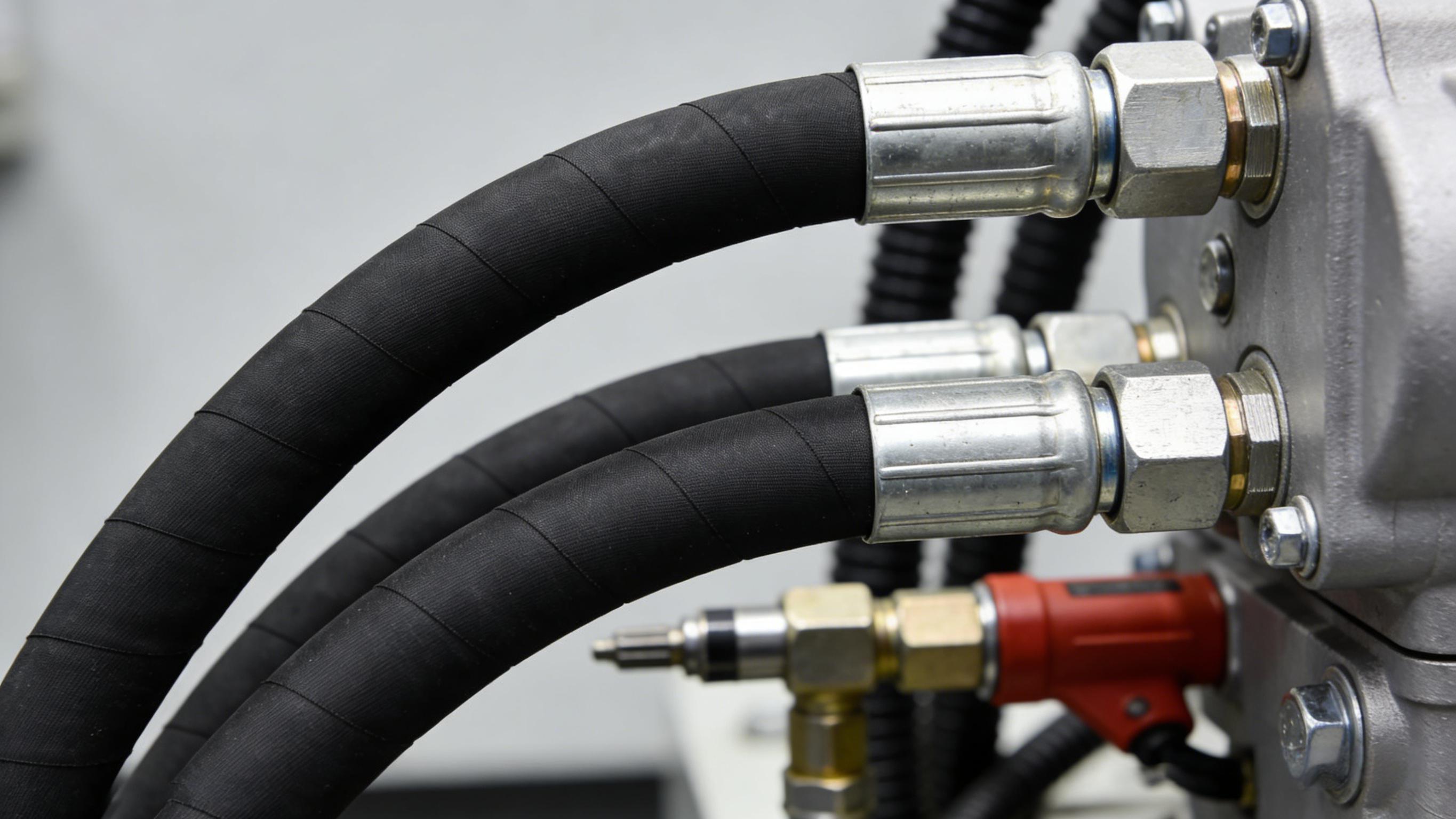
Beyond static pressure, impulse shock is equally critical. The pressure spikes from gun triggering and valve switching are the primary cause of reinforcement layer fatigue. Always check pulse cycle life test data, not just working pressure.
2. Typical Construction of 200MPa-Class Hoses
Mature 200MPa ultra-high pressure thermoplastic hoses are available on the market. For example, the LT798 series features a nylon (PA) liner, four or six layers of high-tensile steel wire spiral reinforcement, and a polyurethane cover. Working pressure: 200MPa; burst pressure: 600MPa; temperature range: -40°C to +100°C. Key parameters: minimum bend radius is 150mm for 3/16″ ID, and 260mm for 1/2″ ID. This bend radius increase must be carefully considered in tight equipment layouts.
3. Application Scenarios and Selection Differences Above 200MPa
Scenario 1: Standard High-Pressure Cleaning (100-200MPa)
The most common application—industrial cleaning, building maintenance, pipe descaling. A 200MPa-rated hose is sufficient for this range. 4mm or 5mm IDs typically meet 20-40L/min flow requirements.
Scenario 2: Ultra-High Pressure Waterjet Cutting (200-400MPa)
Waterjet cutting demands extreme pressure stability and minimal ID expansion. 300MPa or even 400MPa grades are needed. For instance, the LT-400-5 series offers 400MPa working pressure, 800MPa burst, 5mm ID, suitable for precision cutting and concrete scarifying. Such hoses often use 10-12 wire spiral layers to control expansion under pressure.
Scenario 3: Coalbed Methane Drainage and Shale Gas Fracturing (100MPa+ testing)
The coal industry’s newly established ultra-high pressure hydraulic hose test system can now verify burst and impulse performance for 100MPa hoses, with impulse testing up to 200MPa. This confirms 200MPa-class hoses are being adopted for waterjet slotting fracturing tools. These applications demand more than static pressure—test systems can output square waves, peak waves, and programmable waveforms to simulate complex downhole impulse conditions.
4. Key Selection Checklist for 200MPa+ Hoses
Pressure: Hose working pressure ≥ system working pressure × 1.5
ID: One size too small reduces life to 1/3 of expected
Impulse life: Demand test reports (1 million+ cycles)
Bend radius: Larger ID = larger minimum bend radius—plan layout space
Safety factor: Quality hoses maintain burst/working pressure ≥ 2.5:1
5. Summary
Selecting 200MPa+ hoses is not about “higher pressure equals safer.” The correct approach: determine system working pressure and peak impulses → select rated pressure with 1.5× margin → match ID to flow rate → verify pulse life and bend radius against layout constraints. Ultra-high pressure is a matter of precise engineering, not brute force.
